


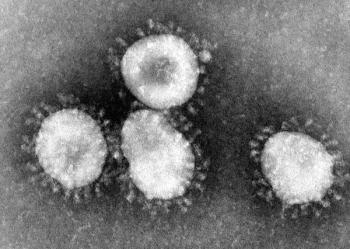
Panel of WHO health experts will reconvene tomorrow.
Panel of WHO health experts will reconvene tomorrow.

Tedros Adhanom Ghebreyesus, MD, the director-general of WHO, said that “never has the threat of antimicrobial resistance been more immediate and the need for solutions more urgent."
Health officials closely monitoring the situation.

Rebecca Leach, RN, BSN, MPH, CIC, speaks to Infection Control Today about dealing with respiratory illnesses during the flu season.


Both C. auris and carbapenem-resistant Acinetobacter are quite hardy in the environment. It takes a lot to control spread.
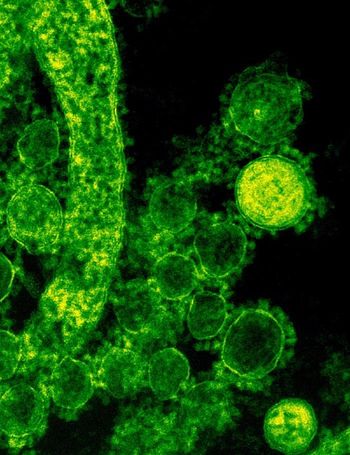
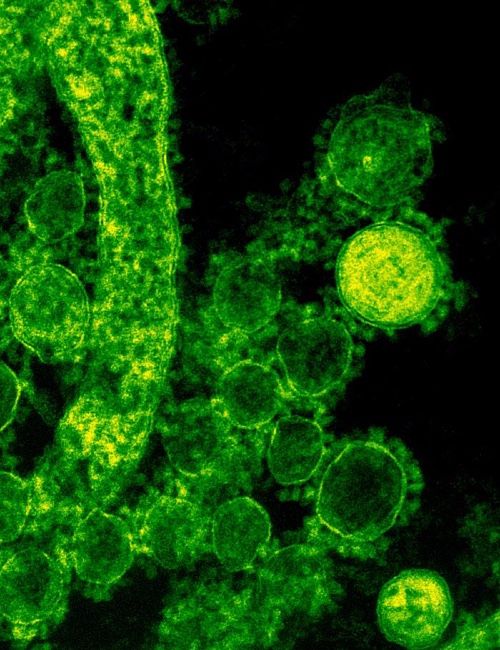
Infection preventionists keeping an eye on coronavirus.

Investigators wanted to find out how well infection preventionists (IPs) are used in antimicrobial stewardship programs (ASPs). They also sought out to take a look at what other members of ASPs think about IPs. The answer to both questions was “not much.”

Patients A and B were both older than 50, suffered from multiple comorbidities, and were residents of long-term care facilities. Both died.

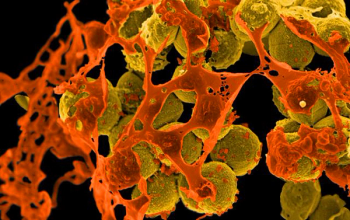
Doffing protocols for treating patients with infections caused by methicillin-resistant Staphylococcus aureus (MRSA) appear to help ward off other healthcare-associated infections (HAIs), but how potent that effect might be remains uncertain.

Further evidence of the importance of patient hand hygiene in the fight against hospital-acquired infections.

It’s not a cure for Clostridiodies difficile, but it’s certainly a huge step toward finding one for the deadly infection that claims 15,000 lives a year in the United States alone, according to investigators who say they have identified the toxin that the most virulent strains of C. diff releases.


Hybrid simulation models have a lot of potential to unlock the best approaches to combat healthcare-acquired infections.



Sarah Baron, MD, authored a study on asymptomatic C. diff carriers.