






Prevention
Latest News
Advertisement
Latest Videos


Shorts
0:43
Announcing Contagious Conversations: ICT's New Program on the Science, People, and Dynamics of IPC Today
3 days ago

0:40
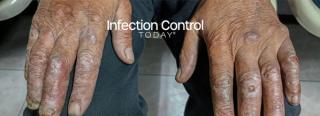
The Truth About Leprosy: It’s Not as Contagious as You Think
5 days ago

1:02
Being Voice Patient: How Open Communication Empowers Safer Perioperative Care
8 days ago
0:35
The Bacteria That Cuts Through Tissue Like a Laser
10 days ago
1:01
The Most Important Day of a Patient’s Life Starts With Education and Infection Prevention
10 days ago
0:43
The Surprising Connection Between Armadillos and Leprosy
12 days ago
0:48
How Leaders Can Combat Nurse Burnout and Protect Patient Safety
15 days ago
0:42
Why Stories Matter More Than Data in Health Care
18 days ago
1:02
The Perioperative Nurse Difference: Advocacy When Patients Cannot Speak
19 days ago

0:36
“Why Put More Children at Risk?” Robert H. Hopkins Jr, MD on CDC Vaccine Policy
a month ago
CME Content


Advertisement
More News

Dialysis patients face some of the highest infection risks in health care. In this Q&A, nurse practitioner leader Octavia “Tavi” Schlueter, MSN, RN, CPNP-PC, PMHS, breaks down bloodstream infection risks, vascular access best practices, and how IPC teams can support dialysis staff through practical, workflow-based education.

Cold, flu, RSV, and COVID-19 are still circulating, but many people have stopped paying attention. This article breaks down how to recognize the differences between common respiratory illnesses, explains overlapping symptoms, and outlines practical steps health care and dental professionals can take to reduce transmission. From hand hygiene and masking to staying home when sick and vaccination awareness, the piece reinforces why everyday prevention still matters during respiratory virus season.

Infection prevention professionals are facing a critical breaking point. New survey data reveal widespread understaffing, rising burnout, and systemic undervaluation that threaten patient safety, outbreak readiness, and health system resilience.

The global health community mourns the loss of William Foege, MD, MPH, a visionary leader whose work helped eradicate smallpox and redefine outbreak response worldwide. His legacy of surveillance, community engagement, and ethical leadership continues to shape infection prevention, vaccination strategy, and global public health for generations to come.



Carbapenemase-producing Enterobacterales (CPE) are increasing nationwide, with harder-to-treat NDM strains reshaping the resistance landscape. In this Q&A, Lucas Schulz, PharmD, explains why rapid diagnostics and stewardship are critical to protecting patients and preserving last-line antibiotics.

Trust and psychological safety are critical to infection prevention in the operating room. In this installment of her interview with Infection Control Today®, Colleen Becker, PhD, MSN, RN, CCRN-K, senior director of perioperative education for Association of periOperative Registered Nurses, explains how leadership that fosters openness and shared accountability empowers perioperative teams to speak up, identify risks early, and strengthen adherence to infection prevention practices.


In this physician-authored analysis, a December 2025 CMS policy change ending mandatory childhood vaccine reporting is examined through a clinical and public health lens. The article warns that reduced surveillance, weakened federal recommendations, and increased reliance on shared decision making without clinical equipoise could accelerate declining vaccination rates, undermine outbreak response, and leave families without clear, evidence-based guidance.

Maternal influenza and Tdap vaccination during pregnancy were linked to significantly fewer hospitalizations and emergency department visits for flu and pertussis among infants younger than six months. New population-based data reinforce maternal immunization as a critical infection prevention strategy and highlight ongoing gaps in vaccine uptake during pregnancy.

A recent CMS policy change means states will no longer be required to report childhood vaccination data, raising serious concerns for infection prevention and control professionals. Without reliable immunization reporting, IPC teams may lose critical visibility into vaccine coverage, complicating outbreak prevention, policy decisions, and public trust at a time of rising vaccine hesitancy and declining community immunity.

Following holiday travel and gatherings, pediatric flu cases are rising rapidly across the US, with CDC data showing elevated flu activity and increased doctor visits. Experts urge parents and schools to monitor for sudden-onset symptoms, follow strict stay-home guidance, and reinforce household containment, vaccination, and respiratory hygiene to reduce spread as children return to classrooms.

What if sterile gloves are not always the safest or smartest choice? Evidence from dermatologic surgery suggests nonsterile gloves can deliver comparable infection outcomes in low-risk procedures while saving tens of thousands of dollars annually. This analysis asks whether hair restoration surgery deserves the same evidence-based reexamination.

Chagas disease is an emerging concern in Florida, where infected kissing bugs, wildlife reservoirs, and underdiagnosis intersect with migration and congenital transmission risks. This article outlines the epidemiology, women’s health implications, and practical infection prevention strategies, calling for risk-based screening, stronger surveillance, and community-engaged prevention to reduce morbidity and prevent congenital cases.

Cleaning failures can undermine high-level disinfection of ultrasound probes. Learn why proper cleaning, drying, and inspection matter, and how standardization and automation can improve reprocessing outcomes and patient safety.


Nearly 570 million people worldwide were living with a chronic respiratory disease in 2023, according to a new Global Burden of Disease analysis. While mortality has declined globally since 1990, deaths are rising in high-income North America, driven by interstitial lung disease and pulmonary sarcoidosis, with older adults facing the greatest risk.

A broad coalition of medical, public health, and infection prevention organizations is urging federal leaders to reaffirm a transparent, evidence-based US childhood immunization policy. The joint letter warns that reducing recommended vaccines, especially during a severe flu and RSV season, could increase preventable illness, hospitalization, and death among children.


Jill Morgan, BSN, RN, of Emory University Hospital is calling for a national, evidence-based approach to personal protective equipment for high-consequence infectious diseases. Drawing on lessons from the COVID-19 pandemic, she emphasizes the need for safer doffing processes, stronger training, and a parallel commitment to staff safety that matches the rigor long applied to patient safety.

With the threat of antibiotic-resistant infections on the rise, hospitals must recalibrate cleaning protocols that maximize people’s health and well-being while continuously mitigating infection risks.
Advertisement
Advertisement
Trending on Infection Control Today
1
Bug of the Month: The Quiet Guest in the Dust
2
Manual Cleaning vs Automation: Achieving Consistent Cleanliness for Ultrasound Device Reprocessing
3
Continuous Photohydrolysis Disinfection Cuts MDROs, COVID-19, and Hospital Transfers in Long-Term Care, Study Finds
4
Influenza D and Canine Coronavirus: Why Underrecognized Animal Viruses May Be the Next Respiratory Threat
5
