

Operating Room
Latest News
Advertisement
Latest Videos







CME Content


Advertisement
More News

"If we want to influence our health care workers toward a shift in practice, we must first tackle the core beliefs that drive that behavior," writes Heather Saunders, MPH, RN, CIC.

3D-Printed PPE in emergencies seemed like a great idea during the COVID-19 pandemic. But a recent study shows they could be a contamination risk to patients and staff.

As an oversight agency for the Department of Health and Human Services, the Office of Inspector General is responsible for ensuring the safety and effectiveness of Medicare and Medicaid programs, with a huge priority being patient care. These toolkits provide additional guidance on how to avoid patient injury.

Alexander Sundermann, DrPH, CIC, FAPIC, discusses his work focused on whole genome sequencing surveillance for outbreak detection and investigation in healthcare settings.

Experts discuss how implementation science integrates research findings and evidence-based guidelines into health care services to improve quality and effectiveness.

Infection Control Today speaks with the CEO of Blue Water Biotech about how to get around antimicrobial resistance and why there may not be a need for more antibiotic creation.

Rates of health care-associated infections rose during the COVID-19 pandemic. Investigators have found that often the infections came from the patients themselves. But how?
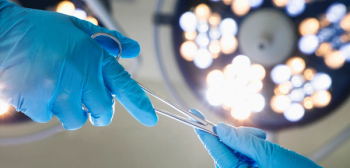
SSI surveillance tracks infections that occur after surgery in the area where it was performed. How can facilities help prevent these infections?

Investigators studied the risk factors for surgical site infections after abdominal hysterectomy procedures using NHSN data and diagnosis codes from administrative data.

What are the recommendations for storing endoscopes clean, safe, and intact?

A recent study published in the Journal of Hepatology aimed to determine the likelihood of parenterally transmitted hepatitis after invasive medical procedures in Italy.
Take 5 minutes to catch up on Infection Control Today®’s highlights for the week ending June 4, 2023.

Human bodies, especially surgical personnel's hair, scalp, and skin, are a major source of bacterial contamination in the surgical environment and a major cause of SSIs. Yet, not it hasn't always been a consideration.
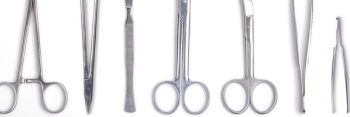
Off-site sterilization frees up hospital space for patient care, improving hospital return on investment. This article explains why and how to go about setting up the service.

Infection preventionists come from many different backgrounds. However, many left the field during the COVID-19 pandemic. It will require creative methods to preserve existing IP staff and educate those entering the field.
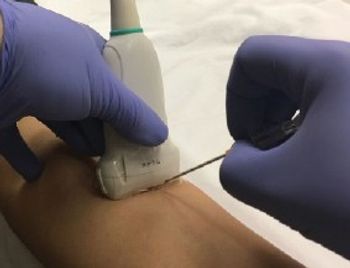
Accurate device information and proper sterilization or disinfection are crucial to ensure safety during ultrasound procedures.
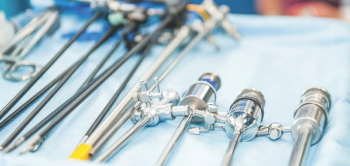
Sterilization in hospitals often lacks coordination with other departments, which may hinder knowledge exchange and performance. What can be done to overcome this challenge?
“The public health emergency ending doesn't mean that infectious disease [threats] are over, whether from COVID-19 or otherwise.”

A veteran in the sterile processing field, Sharon Greene-Golden gave several presentations at the HSPA Annual Conference. She spoke to ICT about them.
A recent study offers potential solutions to the frequent occurrence of surgical site infections, despite the sterile environment of surgical fields.
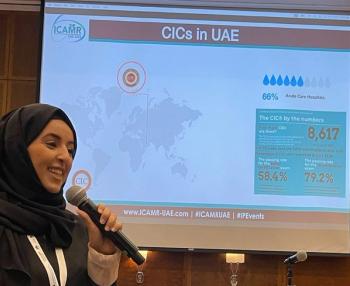
The fight for infection control and prevention (IPC) should be a global effort, and conferences play a crucial role in this fight. IPC conferences occur worldwide throughout the year, and a recent one focused on updates regarding antimicrobial resistance.
Infection Control Today's® Product Locator is a monthly column highlighting some of the latest advanced technology in the infection prevention field.
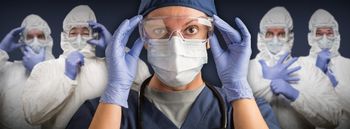
Findings provide the first published evidence of the relationship between standard precaution adherence and the safety of health care workers and patients.

A study published in AJIC describes how one health care system implanted an initiative by their IPs to prevent the health care-acquired infections when COVID-19 loomed over their work.

How is infection prevention different in dental offices from other health care facilities? Experts explain.
Advertisement
Advertisement
Trending on Infection Control Today
1
Bug of the Month: The Quiet Guest in the Dust
2
Manual Cleaning vs Automation: Achieving Consistent Cleanliness for Ultrasound Device Reprocessing
3
Continuous Photohydrolysis Disinfection Cuts MDROs, COVID-19, and Hospital Transfers in Long-Term Care, Study Finds
4
Influenza D and Canine Coronavirus: Why Underrecognized Animal Viruses May Be the Next Respiratory Threat
5
