



COVID-19
Latest News
Advertisement
Latest Videos


CME Content


Advertisement
More News
The Bug of the Month helps educate readers about existing and emerging pathogens that are clinically important in today's health care facilities.
The sudden suspension of USAID funding is triggering a worldwide humanitarian emergency, threatening health systems, economic stability, and global security—undoing decades of progress in development and disease control.
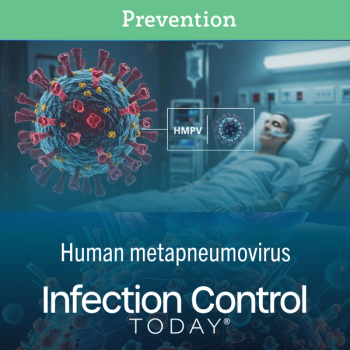
A surge in human metapneumovirus (hMPV) cases highlights the need for improved detection, prevention, and public awareness, particularly for vulnerable populations such as children, elderly, and immunocompromised individuals.
This week's edition of Hot Topics in IPC covers the latest in Trump's executive orders and in avian flu.

This article first appeared as a LinkedIn newsletter from ICT. Subscribe and never miss exclusive articles not found anywhere else.
The US CDC's sudden cutoff from WHO threatens global health security, leaving infection preventionists scrambling to track deadly outbreaks like Marburg virus, mpox, and avian flu.
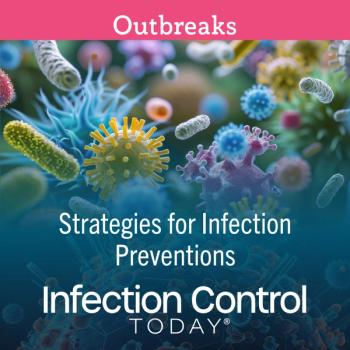
Norovirus and avian influenza outbreaks require infection preventionists to enhance hygiene, train staff, implement PPE use, and ensure effective disinfection to protect health care workers, patients, and facilities.
Executive orders issued on the first day of the presidency affect various health initiatives.

The US withdrawal from WHO threatens global health collaboration, weakening infection control, disease surveillance, and funding for vulnerable nations, undermining decades of progress in combating infectious diseases worldwide.
"I was hoping we had learned from COVID-19 that a lot of transmission happens between people who don't believe that they have an illness and others," Deborah Birx, MD, told Infection Control Today.
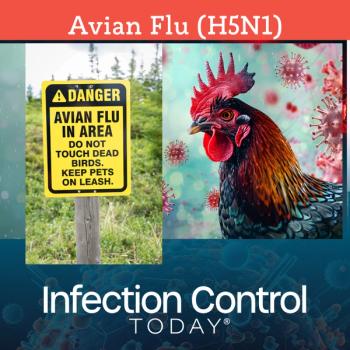
Read the latest on the rise of H5N1 avian flu. What happens if it combines with COVID-19? Experts answer the most pressing questions.
Public health mandates, such as lockdowns, masking, and vaccination, balance liberty and safety, ensuring critical protections during pandemics like COVID-19 while fostering long-term survival through science.

Explore why CMS must expand COVID-19, influenza, and RSV reporting to include hospital-onset infections, health care worker cases, and ER trends, driving proactive prevention and patient safety.
Discover how the NHSN 2022 Rebaseline initiative updates health care-associated infection metrics to align with modern health care trends, enabling improved infection prevention strategies and patient safety outcomes.
Learn more about how effective air pressure regulation in health care facilities is crucial for controlling airborne pathogens like tuberculosis and COVID-19, ensuring a safer environment for all patients and staff.
At IDWeek, Invivyd highlighted Pemgarda’s effectiveness under FDA Emergency Use Authorization for immunocompromised patients, demonstrating efficacy against evolving COVID-19 variants since the Omicron strain.
The CDC HICPAC discussed updates to airborne pathogen guidelines, emphasizing the need for masks in health care. Despite risks, the committee resisted universal masking, highlighting other mitigation strategies

Clostridioides difficile infections burden US healthcare. Electronic Hand Hygiene Monitoring (EHHMS) systems remind for soap and water. This study evaluates EHHMS effectiveness by comparing C difficile cases in 10 hospitals with CMS data, linking EHHMS use to reduced cases.
Masking, clean air, and vaccinations are essential in combating COVID-19 and preventing long-term impacts, as evidence mounts of long COVID's significant economic, cognitive, and behavioral effects.
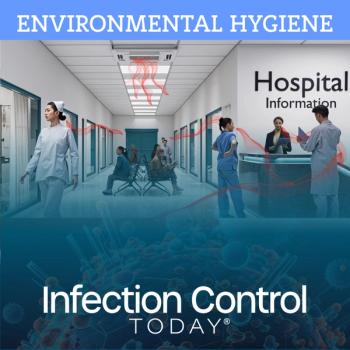
A 3-D approach to infection control involves air and surface cleaning, leveraging monitoring, purification, and modeling technologies to reduce respiratory infection risks in health care environments.
Andrea Thomas, PhD, DVM, MSc, BSc, director of epidemiology at BlueDot, discusses the resurgence of respiratory viruses, like COVID-19, influenza, pneumonia, and risks from avian influenza, and the importance of proactive infection control to safeguard health care systems this winter.
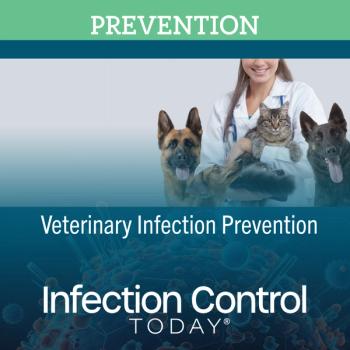
Veterinary medicine's growing focus on infection prevention aims to address zoonotic disease risks, emphasizing specialized training, proactive guidelines, and collaboration between human and veterinary health teams.
Take 5 minutes to catch up on Infection Control Today’s highlights for the week ending October 27, 2024.

The past 5 years in medicine have seen significant advances in RNA vaccines, understanding immune dysregulation, and improved interspecialty communication, promising better disease eradication and tailored treatments.
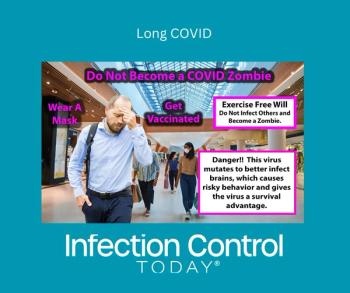
New research highlights long COVID’s global impact, cognitive decline, and societal consequences, urging renewed focus on prevention, including vaccination, mask use, and better air quality.
Advertisement
Advertisement
Trending on Infection Control Today
1
Bug of the Month: The Quiet Guest in the Dust
2
Continuous Photohydrolysis Disinfection Cuts MDROs, COVID-19, and Hospital Transfers in Long-Term Care, Study Finds
3
Manual Cleaning vs Automation: Achieving Consistent Cleanliness for Ultrasound Device Reprocessing
4
Influenza D and Canine Coronavirus: Why Underrecognized Animal Viruses May Be the Next Respiratory Threat
5
