
News
Advertisement
Advertisement

Rutgers is taking a leading role in an IBM-sponsored World Community Grid project that will use supercomputing power to identify potential drug candidates to cure Zika virus infection.

Methicillin-resistant Staphylococcus aureus (MRSA) may soon be beatable thanks to the efforts of University of South Florida scientists who have isolated and tested an extract from a sponge found in Antarctica. The sponge extract, known as Dendrilla membranosa, yields a new, natural product chemical which has shown in laboratory tests that it can eliminate more than 98 percent of MRSA cells. The research team has named the new chemical "darwinolide."
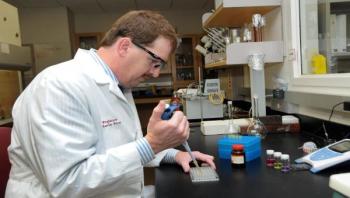
A University of Oklahoma team of chemists has developed a new antibiotic formulation to fight the sometimes deadly staph infection caused by methicillin-resistant S. aureus (MRSA) and other antibiotic-resistant infectious bacteria. The new drug to treat MRSA combines traditional Food and Drug Administration-approved antibiotics, such as methicillin, with the polymer BPEI.
Advertisement
Advertisement
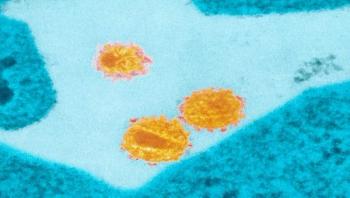
A small number of patients infected by HIV spontaneously control viral replication without antiretroviral therapy, and do not develop the disease. The ability of these rare patients, known as "HIV controllers," to suppress HIV replication appears to be down to a highly effective immune response. Scientists from the Institut Pasteur and Inserm observed that CD4+ T immune cells in these patients, recruited from the ANRS CO21 CODEX cohort, were capable of recognizing tiny quantities of the virus. This highly sensitive detection is dependent on the expression of specific T cell receptors on the surface of immune cells, which target the HIV capsid protein with high affinity. The preferential expression of these receptors appears to keep the immune system on a constant state of alert, thereby enabling the patients to control HIV. These findings have been published in the Journal of Clinical Investigation.

A simple paper sheet made by scientists at Uppsala University can improve the quality of life for millions of people by removing resistant viruses from water. The sheet, made of cellulose nanofibers, is called the mille-feuille filter as it has a unique layered internal architecture resembling that of the French puff pastry mille-feuille ("thousand leaves").
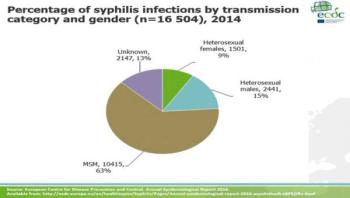
New data released in ECDC's Annual Epidemiological report show that since 2010, the overall syphilis rates have been going up across Europe, particularly among men. In 2014, the reported syphilis numbers were six times higher in men than in women. Almost two-thirds (63%) of the syphilis cases reported with information on transmission category were recorded in men who have sex with men (MSM).

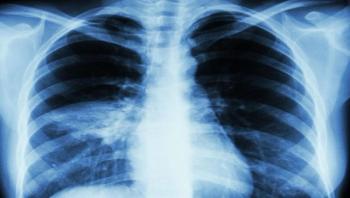
Greater collaboration between ICU nursing and medicine could help to minimize ventilator-associated pneumonia (VAP), according to a study presented at the ATS 2016 International Conference.
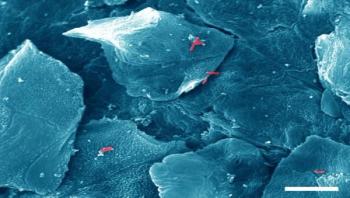
Mucous surfaces in the nose, throat, lungs, intestine, and genital tract are points of first contact for many pathogens. As a defensive strategy, most animals (and humans) can rapidly exfoliate these surfaces (i.e., shed the surface layer) to get rid of any attached attackers. A study published on May 12 in PLOS Pathogens reveals a common strategy by bacteria to prevent exfoliation and so gain extra time to colonize the mucosa or penetrate the mucosal barrier.
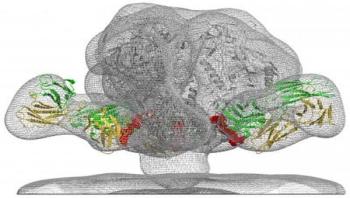
A team led by scientists at the National Institutes of Health (NIH) has reported a research trifecta. They discovered a new vulnerable site on HIV for a vaccine to target, a broadly neutralizing antibody that binds to that target site, and how the antibody stops the virus from infecting a cell. The study was led by scientists at the Vaccine Research Center (VRC) of the National Institute of Allergy and Infectious Diseases, part of NIH.
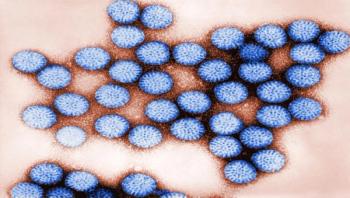
Hospitalization for rotavirus infections decreased by more than 70 percent following the introduction of a vaccine program in Ontario, Canada, according to a study published May 11, 2016 in the open-access journal PLOS ONE by Sarah Wilson from Public Health Ontario and the Institute for Clinical Evaluative Sciences, Canada, and colleagues.
Advertisement
Advertisement
Trending on Infection Control Today
1
Bug of the Month: The Quiet Guest in the Dust
2
Manual Cleaning vs Automation: Achieving Consistent Cleanliness for Ultrasound Device Reprocessing
3
Continuous Photohydrolysis Disinfection Cuts MDROs, COVID-19, and Hospital Transfers in Long-Term Care, Study Finds
4
Influenza D and Canine Coronavirus: Why Underrecognized Animal Viruses May Be the Next Respiratory Threat
5
